We’ve all had that moment. Something goes wrong, plans fall apart, or life throws a smallor big problem your way. Without thinking, the first thing that comes out is usually, “That sucks.” 😩
It’s quick, easy, and everyone understands it. But let’s be honestusing the same phrase again and again can feel boring, flat, or even rude in some situations.
Words matter more than we think. The way we respond can change how others feel, how a moment lands, and even how a conversation continues. Saying “that sucks” might work with close friends, but it doesn’t always fit at work, in emotional moments, or when you want to sound thoughtful and mature.
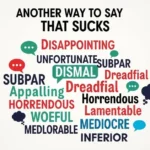
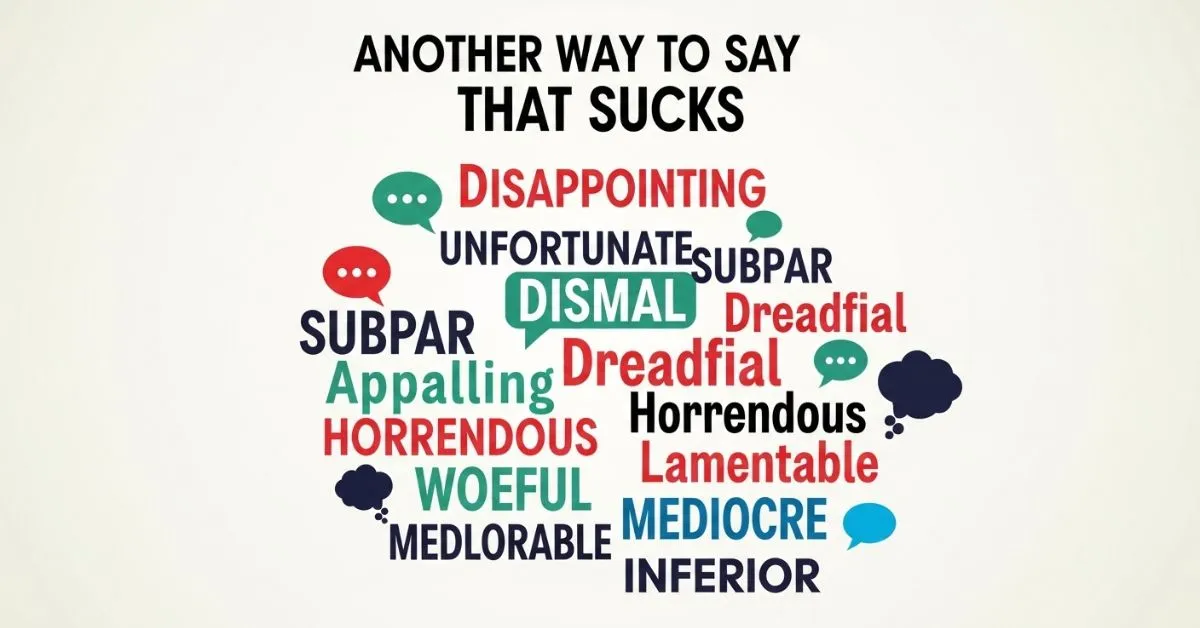
That’s why learning another way to say “that sucks” can seriously improve your communication. It helps you sound more natural, expressive, and emotionally aware without trying too hard.
In this guide, you’ll find funny, polite, emotional, and quick alternatives you can use anytime.
Let’s make your reactions sound more human, more natural, and more you.
Casual Everyday Situations
When you’re talking with friends, family, or coworkers, you usually want something relaxed and honest. You don’t want to sound too dramatic, but you also don’t want to sound cold or careless.
These phrases work perfectly for everyday moments. They show empathy, understanding, or mild frustration without sounding rude or over-the-top.
• That’s rough
• That’s a bummer
• That’s not great
• That’s unfortunate
• That’s annoying
• That’s disappointing
• That’s frustrating
• That’s a letdown
• That’s a pain
• That’s unlucky
• That’s messed up
• That’s not cool
• That’s tough
• That’s annoying as heck
• That’s rough luck
• That’s inconvenient
• That’s unfortunate timing
• That’s really not ideal
• That’s kind of sad
• That’s no fun
These phrases work well when someone tells you about a bad day, a missed plan, or a small failure. They show that you care without making the moment awkward or heavy.
Professional or Polite Situations
Sometimes, saying “that sucks” just doesn’t fit the momentespecially at work or when talking to people you don’t know well. In professional settings, tone matters a lot.
You want to sound calm, respectful, and thoughtful, even when things go wrong. These phrases help you do that while still showing empathy.
• That’s unfortunate to hear
• That’s disappointing news
• That’s not ideal at the moment
• That’s a challenging situation
• That’s a bit concerning
• That’s not what we hoped for
• That’s regrettable
• That’s less than ideal
• That’s a setback
• That’s an unexpected issue
• That’s disappointing to learn
• That’s not the best outcome
• That’s something we’ll need to address
• That’s a difficult situation
• That’s a complication
• That’s not optimal
• That’s a tough spot
• That’s unfortunate timing
• That’s not favorable
• That’s a concern
These phrases are perfect for emails, meetings, work chats, or customer conversations. They help you sound professional while still being human.
Funny, Emotional, or Dramatic Reactions
Sometimes you don’t want to be calm or professional you want to express emotion. Maybe you’re joking with friends, reacting online, or telling a dramatic story.
These phrases bring humor, personality, and energy to your response.
• That’s tragic
• That hurts my soul
• That’s painful
• That’s a nightmare
• That’s brutal
• That’s pure chaos
• That’s heartbreaking
• That’s a disaster
• That’s cursed
• That’s emotional damage
• That’s wild
• That’s tragic comedy
• That’s straight-up pain
• That’s soul-crushing
• That’s a whole mess
• That’s not it
• That’s painful to hear
• That’s criminal
• That’s depressing
• That’s chaos energy
These are great for social media, group chats, or moments when exaggeration makes things funnier and more relatable.
Short and Quick Responses
Sometimes you don’t want to explain anything. You just need a fast reaction. These short phrases are perfect for texting, comments, or quick replies.
• Yikes
• Oof
• Dang
• Ugh
• Wow
• Nope
• Ouch
• Meh
• Bruh
• Sigh
• Ew
• Omg
• Yuck
• Nah
• Geez
• Oops
• Uh-oh
• Nopeee
• Rip
• Smh
These short reactions work best when speed matters or when a full sentence feels unnecessary.
When to Use Casual vs Professional Language
Knowing when to use certain phrases is just as important as knowing what to say. Casual language works best with friends, family, and people you trust.
Professional or polite phrases are better when talking to coworkers, clients, teachers, or anyone you want to impress or respect.
Choosing the right tone helps you avoid misunderstandings and keeps conversations smooth.
How Tone Changes Meaning
The same phrase can feel very different depending on tone. Saying “That’s rough” with care feels supportive. Saying it with sarcasm can sound dismissive.
Tone includes your voice, timing, emojis, and even punctuation. A simple smiley face can change the entire meaning of a message.
Being mindful of tone helps your words land the way you intend.
How to Sound More Natural in Conversations
To sound natural, mix things up. Don’t use the same phrase every time something goes wrong. Variety makes your speech feel real and human.
Try matching your words to your personality. If you’re playful, use humor. If you’re calm, keep it simple. If you’re emotional, let it show a little.
Natural speech feels effort lessand that’s what makes it powerful.
Tips for Using These Phrases
Using the right phrase at the right time makes a big difference. Here are some simple tips to help you sound confident and natural:
• Match your tone to the situation humor isn’t always right for serious moments.
• Think about who you’re talking to friends, coworkers, and strangers all need different energy.
• Avoid repeating the same phrase too often; variety keeps your speech fresh.
• Use emojis when texting to add emotion or soften your tone.
• Short phrases work best for quick chats, while longer ones fit deeper conversations.
Small changes in wording can completely change how your message feels.
Why Word Choice Matters
The words you choose shape how people see you. Thoughtful word choice shows emotional intelligence, awareness, and care.
Even simple reactions can build trust, comfort, and connection. When people feel understood, conversations become smoother and more meaningful.
That’s why learning alternatives to common phrases can make such a big difference in daily life.
Conclusion
Knowing another way to say “that sucks” helps you communicate better in every part of life. Whether you want to sound polite, funny, emotional, or professional, there’s always a better phrase that fits the moment.
By mixing up your responses, you sound more natural, more expressive, and more confident. Small word choices can create big improvements in how people understand you and connect with you.
Now it’s your turn. Try using a few of these phrases in your daily chats and notice how natural they feel.
Which one is your favorite? Or do you already have a go-to phrase you love using?
Try it today and make your reactions more real, more human, and more meaningful 😊

Oscar Wilde is a passionate writer with 7 years of experience, specializing in English grammar and effective replies. At respnseto.com, he shares practical tips, insights, and engaging content to help readers communicate clearly and confidently. His work blends expertise with a friendly, approachable style for all audiences.